








Essays · 03 · National branding
A NationCannot BeRelaunched
A campaign lasts a season. A nation brand is laid like a road, by people who will not see it finished.
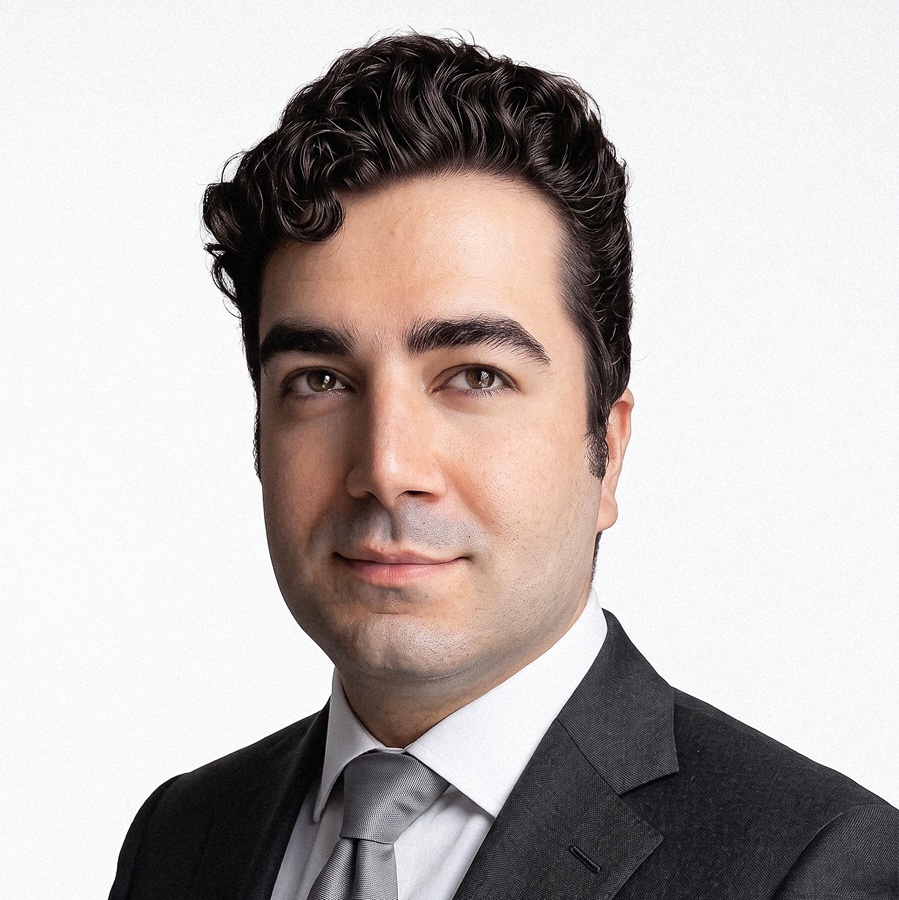
Kamiloo Artmand · 7 min readThe wrong verb
Sooner or later every government asks the same question. How do we rebrand the country? The tone is usually hopeful. There will be a new logo, a slogan in three languages, a film with drone shots of mountains, and a launch in a capital city, attended mostly by people who already know the country.
I understand why this happens. A campaign is something a minister can finish. It has a budget, a date and a photograph. But the verb is wrong. You can relaunch a soft drink. You cannot relaunch a nation, for the plain reason that a nation never left. It is already being read, every day, by everyone who has any contact with it.
You can relaunch a soft drink. You cannot relaunch a nation. It never left.
Nations have reputations whether they design them or not. Those reputations are written by history, by news coverage, by the conduct of their officials at airports, by the quality of what they export and by the stories their diaspora tell at dinner. A slogan placed on top of all that does not replace it. It only adds one small, expensive sentence to a very long conversation.
I work on national and institutional identity, and I am a Kurd. Those two facts are not separate. I have spent my life watching a people with one of the oldest cultures in the region struggle to be read correctly by the world. So I take this subject personally, and I want to state my position early. Nation branding is real, and it matters. It is simply not what most people think it is. It is infrastructure.
Three clocks
The confusion comes from treating three different kinds of work as one. A nation runs on three clocks at the same time.
- Campaign
- Slogans, events, launches. Fast, loud and quickly forgotten.
- Reputation
- What exports, cities and media slowly make people believe.
- Identity
- What schools, language and memory make people be.
A nation runs on three clocks at once. Most budgets are spent on the fastest.
The fastest clock is the campaign. It runs in months. It is loud, measurable and forgotten. Campaigns are not useless. They can open a door at a useful moment. But they spend attention. They do not build it.
The middle clock is reputation. It runs in years and decades. Reputation is what people come to believe through repeated contact with your products, your cities, your media and your citizens. No single event creates it, and it cannot be ordered from an agency. Think of what the word Swiss does on a watch, or what Japanese does on a car. Nobody achieved that with a slogan. It was built by a very long run of objects that kept their promise.
The slowest clock is identity. It runs in generations. Identity is what your schools teach, what your language can express and what your people remember. Reputation is what others believe about you. Identity is what you believe about yourselves. When the two drift far apart, every campaign feels like a lie, because in a sense it is one.
Governments spend almost everything on the first clock because the first clock fits inside an election. This is the structural problem. The work that matters most has a payoff that arrives after the people who funded it have left office.
The work that matters most pays off after the people who funded it have left office.
So I start with an uncomfortable requirement. A serious nation brand needs someone willing to lay a road they will never drive on.
Six rails
If a nation brand is not a campaign, what is it? It is a set of rails: permanent surfaces through which a country is read. I count six.
- Symbols
- Flag, seal, coins, passports, typefaces.
- Cities
- The streets a visitor actually walks.
- Exports
- Objects that carry the name abroad.
- Education
- What the next generation is told it is.
- Media
- Who tells the story, and in which language.
- Diaspora
- Citizens already standing in other countries.
A nation is read through these six surfaces. None of them is an advertisement.
Symbols are the most literal. Flags, seals, coins, passports, stamps, the signage in a ministry, the typeface on a road sign. These are the country's visual system, and most states have never treated them as one. Every ministry designs its own letterhead. Every province improvises. The result is a state that looks, at close range, as though nobody is in charge. A coherent symbol system costs little, and it speaks every day for as long as the state exists.
Cities are the second rail. A visitor does not experience a country. They experience a few streets, a taxi ride and an arrivals hall. Those are the real brand touchpoints, and they are never in the brand strategy.
Exports are objects that carry the name abroad, and I will come back to them.
Education is the rail with the longest reach. A nation is, in part, a story told to children. What they learn about who they are sets the terms of everything else.
Media decides who tells the story and in which language. For peoples without a state of their own, or with a contested one, this is everything. If you do not tell your story, you become a character in somebody else's. Kurds know this better than most. For a very long time we have appeared in the world's news as a topic rather than as a voice.
The diaspora is the rail most countries forget. It is a population of citizens and descendants already standing in other nations, already working and speaking and being read. Treated well, it is the most credible embassy a country could have. It costs almost nothing and it is already deployed.
Made in Kurdistan
Let me make this concrete. KRD, Kurdistan Raman Dahenan, is the holding I am building around a single phrase: Made in Kurdistan. People assume that this is a slogan. It is meant to be the opposite. It is an attempt to work on the second clock.
Three short words on a product are the most honest form of nation branding there is. They make a claim that can be tested by anyone holding the object. If the thing is good, the name rises a little. If it is bad, the name falls. There is no film to hide behind.
- The mark
- A sign on a product that names where it comes from.
- The standard
- A rule about what may carry that sign.
- The maker
- Firms able to meet the rule, again and again.
- The story
- A truthful account of why this place makes this thing.
A country-of-origin mark sits on top of everything beneath it. It cannot be stronger than the base.
But the label cannot do this alone. A mark is only as strong as what sits under it. Under the mark there must be a standard, a clear rule about what is allowed to carry it. Otherwise the first poor product spends what the good ones earned. Under the standard there must be makers who can meet it, repeatedly and not just once for an exhibition. And under the makers there must be a truthful story about why this place makes this thing.
This is why I think of KRD as infrastructure and not as a brand exercise. Its slogan is short: Think. Build. Kurdistan. The order is deliberate. Thinking comes first, because a nation that does not think about its own system will have one designed for it. Building comes second, because talk does not accumulate. And Kurdistan comes last, because the name should be the result of the work rather than its advertisement.
The name should be the result of the work, not its advertisement.
A label like this also changes the people who make things. A maker who knows that their work carries the name of a place behaves differently from one who is only filling an order. It will take a long time. It may well outlast me. That is the point of it.
Laying the road
What should a serious state, region or people actually do? My advice is unglamorous, and I have stopped apologising for that.
Start with an audit, not a slogan. Go and look at every surface through which you are currently read. Stand in your own arrivals hall. Read your own government's website in a foreign language. Collect the letterheads of ten ministries and lay them on a table. Do this before anyone opens design software, because that table will tell you more than any research agency.
Then build the symbol system and write it down. A guideline for a state is not a vanity project. It is a piece of administrative infrastructure, and it will quietly save money for decades.
Protect the standard. Whatever carries the national name must earn it. Be strict early, while it is cheap to be strict.
Fund the slow clock on purpose. Put schools, archives, language and translation into the same conversation as trade and tourism. They are the same conversation.
Talk to your diaspora as partners and not as a remittance channel.
And finally, accept the time scale. If you need to see the result before the next election, then what you want is a campaign. Buy one, by all means. Just do not confuse it with the road.
I sometimes think about the people who planted slow trees in my part of the world, knowing that they would never sit in the shade. A nation brand is that kind of work. It belongs to people who can be serious about a future that does not include them.
A nation brand belongs to people who can be serious about a future that does not include them.
Principles
- A nation is already being read. You can only choose whether to design what it reads.
- Campaigns spend attention. Infrastructure builds it.
- Separate the three clocks: campaign, reputation, identity.
- Audit every surface before anyone opens design software.
- The name should be the result of the work, not its advertisement.