








Biafza: a platform where people decide what is good
Biafza is a platform concept built on one idea: people, not editors, decide what is good. It gathers the best of every field — places, books, services, people — into public lists anyone can add to, and keeps what to avoid in a separate list of its own.
 Kamiloo Artmand6 min read
Biafza is a platform concept built on one idea: people, not editors, decide what is good. It gathers the best of every field — places, books, services, people — into public lists anyone can add to, and keeps what to avoid in a separate list of its own.
Add to yourself
Biafza began as a slogan. While writing and designing an e-book for his Telegram channel, Kamil Seyedi opened it with “Add to yourself” — read this and add to what you know. The Persian word for “add”, biafza, stayed. Then came the second half: the process runs both ways. You add to the system, and the system adds to you.
The logo is the simplest form of that idea: a plus sign, the mathematician’s symbol for adding and, at the same time, for being positive.
It is the people who define what is good and what is not.Kamil Seyedi
Four parts, one account
Social network
Useful things from people’s lives, not endless scrolling. Others vote on a post, add to it and complete it. A book’s page is also where it can be reviewed, read or bought, and a browser extension pins anything you see with one press of a plus.
Store
Second-hand goods and shop products, bookings and services, listed and sold in a way particular to Biafza. Tickets, hotels, restaurants — anything that fits “product, service, content, event”.
Polls
Lifestyle, culture, society, thought. People vote; the result is a picture of what they like and how they react — and a list of the best in each field, from the best places to go to the public figures people admire.
Nifza — don’t add
The mirror of Biafza: what is poor in quality, harmful, or taken over by profiteers goes in its own list so people stay alert. Not only goods — moral, psychological and personal things can be listed too. The team does not decide; people vote.
Try the mechanics
A design sketch of how the lists behave, built from the interview. Add an item to lift it, save it to your own list, and notice that a sponsored row is labelled and kept apart — never presented as risen by vote, as the interview describes. Every item and number here is invented for illustration; no real votes are counted or stored.
- A brand that paid to be seenSponsoredLabelled as a sponsor, never ranked as if voted
- Minoo IslandA place — the interview’s own example
- A book worth readingWith a link to review, read or buy it
- A trustworthy shopChosen by people, not by the seller
- A good doctorThe question people ask each other every day
Priority: the platform, not the income
The interview is explicit that income is not the first aim: if the platform is built, income follows. Four sources were named.
Advertising
Brands that want to be seen more, always labelled as sponsors.
Own products
Things the polls show people like, designed or produced by the company itself.
Sales partnership
A share of sales made through Biafza’s gateway.
Statistics
Aggregated poll data offered to owners of goods and to institutions, without harming any user’s privacy.
What it is meant to feel like
- A user’s opinion matters: a vote is answered, not just counted — loyalty comes from being heard.
- Content is filtered by AI and a charter built on the country’s law, ethics and custom, including respect for every people and faith in Iran.
- The platform is built for people: prices, listings and events are meant to favour them, and most features are free most of the time.
As stated in December 2019
Launch across the country. A private prototype for the development team was announced for 2 February 2020.
The interview and the yearbook
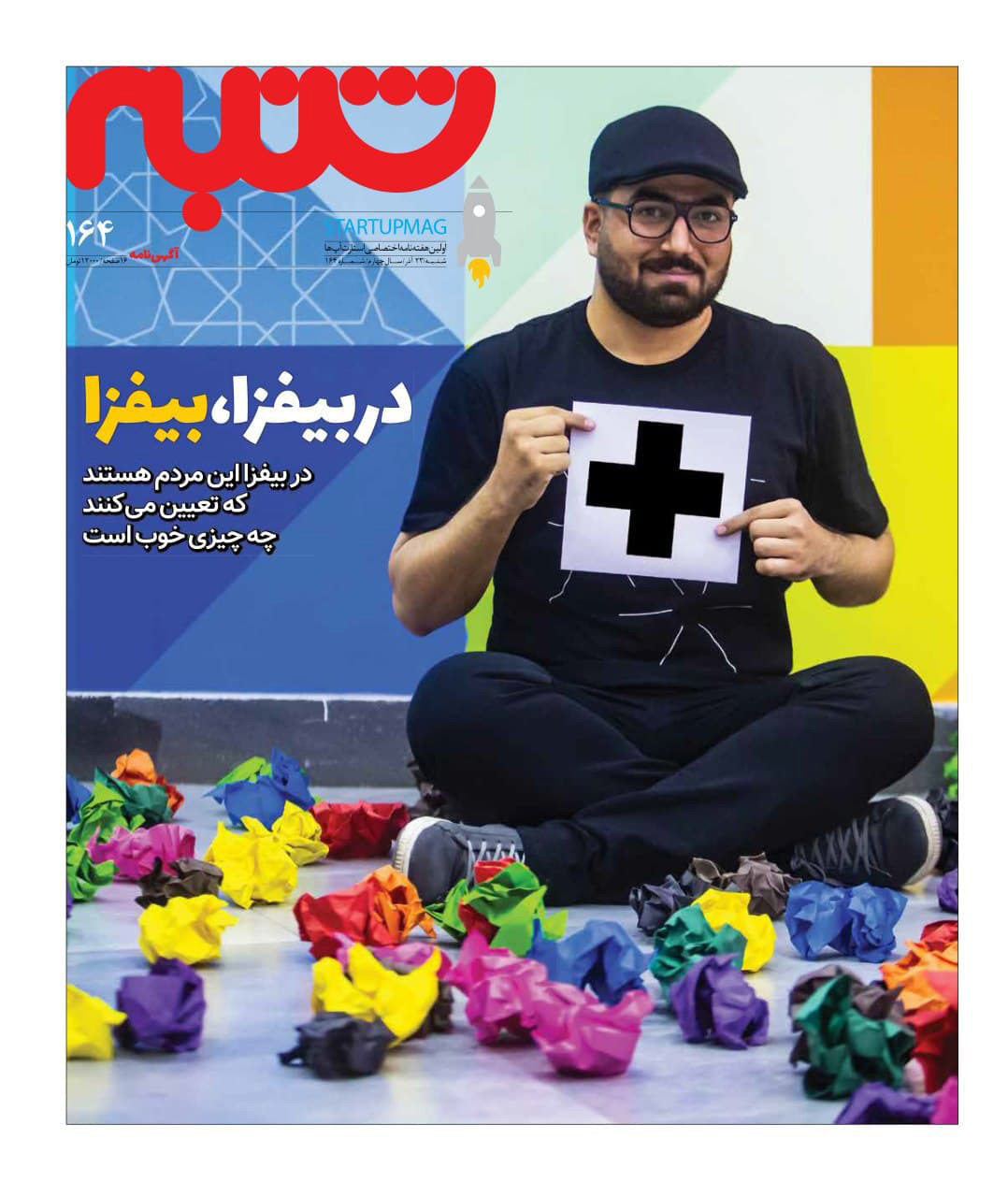


The cover of Shanbe, issue 164, 23 Azar 1398 (14 December 2019).
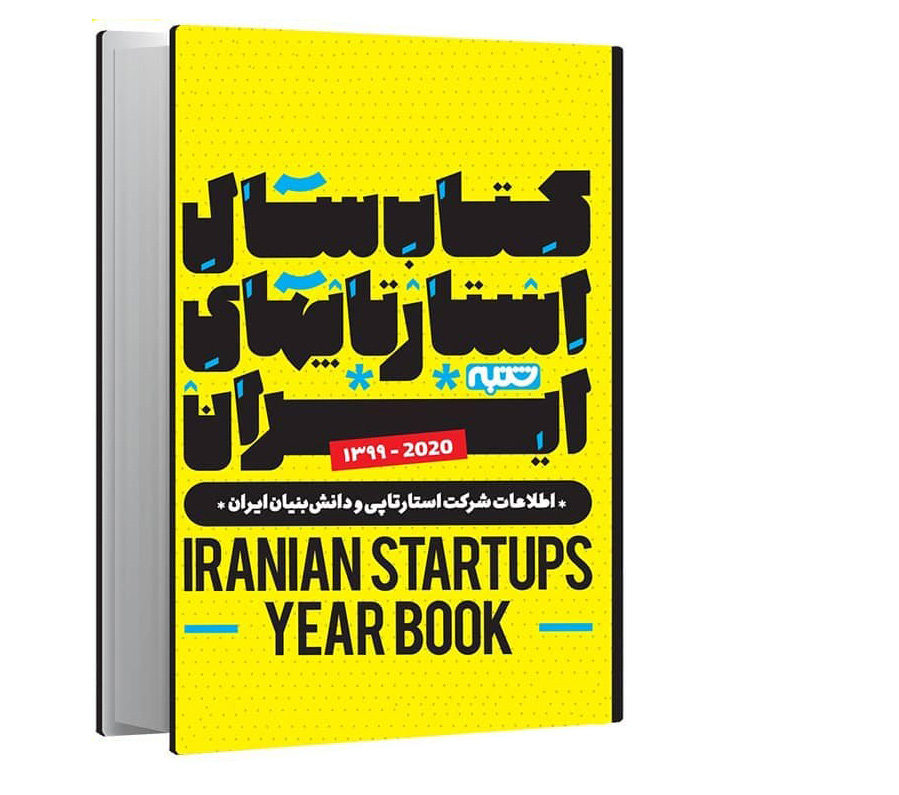
The founder’s interview was the cover story of Shanbe, the first weekly dedicated to startups in Iran (issue 164, 14 December 2019), published as brand content. Biafza is also presented on pages 136–137 of the Iranian Startups Yearbook 2020. Read the interview.
Interested in the thinking behind Biafza — or in building something like it?
Invest
Discussion
Comments are read by Kamiloo before they appear.